Sweater Styles That Work Year-Round (Not Just in Winter)
Sweaters tend to be purchased with one season in mind: winter.
They’re chosen for warmth first — heavier knits, thicker fabrics, pieces meant to be worn when it’s cold.
And while there’s nothing wrong with that, it quietly limits how often those sweaters end up being worn. Once temperatures shift, many of them stop making sense, even though sweaters can be some of the most versatile pieces in a wardrobe.
The sweaters that get worn the most aren’t necessarily the warmest ones — they’re the ones that work well beyond cold weather.

Why This Limits How Much You Actually Wear Sweaters
When sweaters are bought mainly for winter, their role in a wardrobe gets narrowed without anyone realizing it.
They’re expected to work:
with coats
with boots
with cold-weather layers
Once those conditions disappear, the sweater often does too.
It’s not that the sweater suddenly stops working — it’s that it was never chosen with flexibility in mind. So when temperatures rise, it feels out of place. Too warm. Too heavy. Too tied to a season that’s already passed.
That’s how closets end up with plenty of sweaters, but only a few that feel relevant most of the year.
This is the same reason shopping often feels productive but doesn’t actually fix a wardrobe, as I explain in why shopping doesn’t fix a wardrobe.
The Difference Between Seasonal and Year-Round Sweaters
Seasonal sweaters are built for a specific moment.
They’re thicker, heavier, and meant to be worn under coats or layered with cold weather in mind. They do their job well — for a short window of time.
Year-round sweaters are different.
They aren’t focused on warmth first.
They’re focused on how often they can be worn.
That usually means:
lighter weight
less bulk
silhouettes that work on their own or layered
Those small differences are what allow a sweater to stay in rotation once winter ends.
The Sweater Styles That Stay in Rotation
Once sweaters are chosen with more than winter in mind, a pattern starts to show up.
The sweaters that get worn the most aren’t the heaviest ones.
They’re the ones that feel just as natural on a mild day as they do when it’s cooler — styles that don’t need a coat or a specific temperature to make sense.
That’s where certain sweater types stand out.
Lightweight Knit Sweaters
Lightweight knit sweaters tend to stay in rotation because they don’t feel seasonal.
They can be worn on their own, layered under jackets, or worn indoors without feeling bulky or restrictive.
These are the sweaters that make sense on:
cool spring mornings
transitional days
early fall
air-conditioned spaces
Because they aren’t tied to heavy layering, they don’t get pushed aside once winter ends.
Sleeveless and Short-Sleeve Sweaters
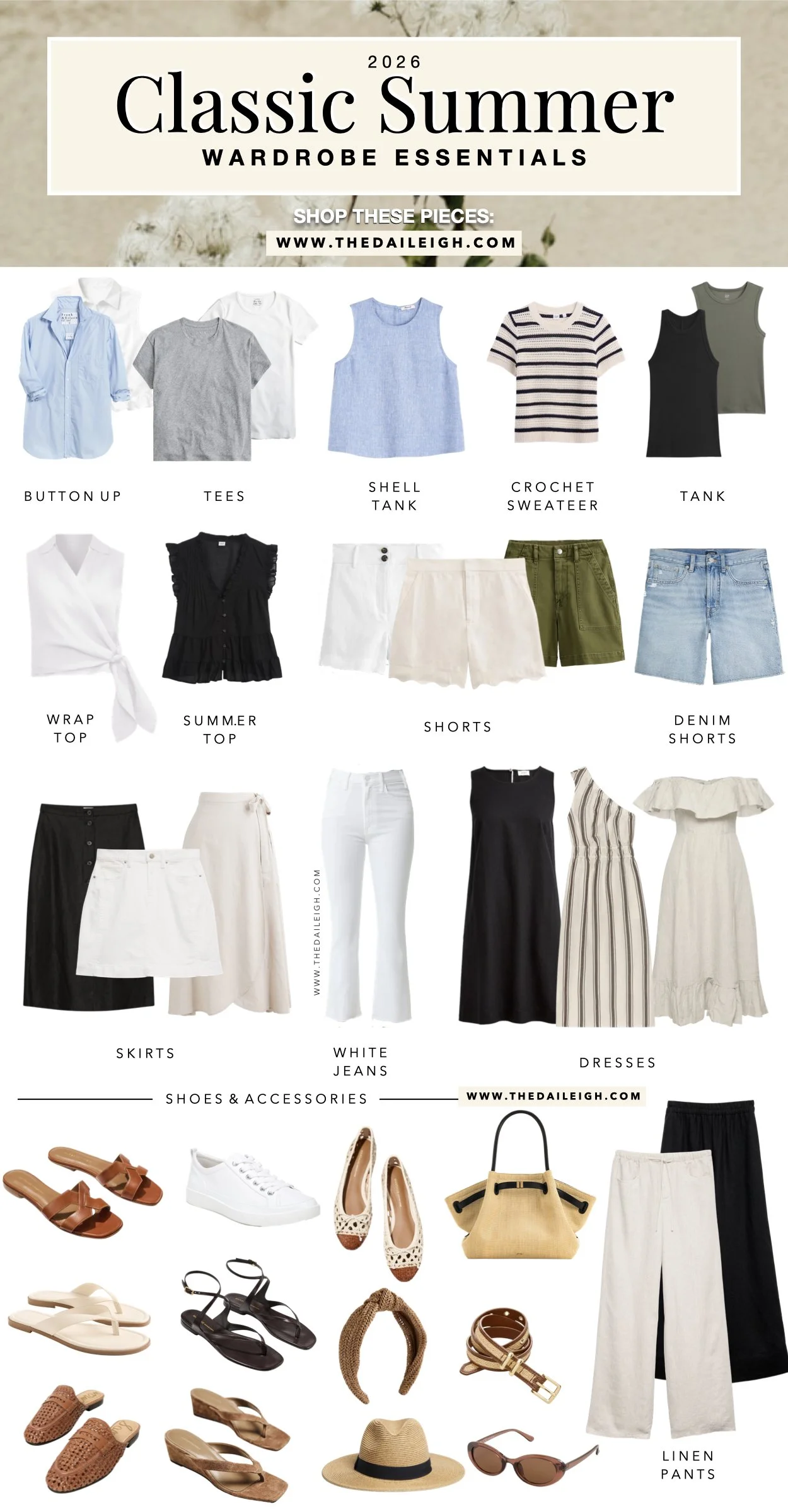
Sleeveless and short-sleeve sweaters are often overlooked because they don’t fit the traditional idea of what a sweater “should” be.
In practice, they’re some of the most flexible sweater styles you can own.
They wear like structured tops, layer cleanly under jackets or cardigans, and still feel appropriate in warmer weather. Instead of being locked into one season, they move easily across several.
That flexibility is what keeps them relevant long after winter is over.

How This Fits Into a Wardrobe That Actually Works
A wardrobe works best when pieces aren’t locked into narrow roles.
The clothes that earn their place are the ones that:
can be worn across seasons
don’t need a coat or heavy layering to make sense
fit into multiple outfits without effort
That’s why certain items create more outfit options than others, like the closet staples that create the most outfit options.
Sweaters chosen with year-round wear in mind support that kind of structure instead of limiting it.
If You’re Shopping for Sweaters
Before buying another sweater, it helps to pause and ask:
Will I wear this beyond winter?
Does this make sense without a coat?
Can I picture myself reaching for this in more than one season?
If the answer is yes, it’s likely a sweater that will stay in rotation.
If not, it may still be a nice piece — just not one that gets much use.

👉 Create better outfits from what you own
A simple guide to help you see which pieces do the most work in a wardrobe.
Worth Owning — When They’re Chosen Well
Sweaters aren’t the issue.
Buying them only with cold weather in mind is.
Choosing sweater styles that work year-round turns them from seasonal pieces into everyday ones — the kind you rely on instead of rotating out.
That’s how sweaters earn their place in a wardrobe: by being useful more often, not just warm.