
When Your Closet Is Full But Outfits Still Don’t Work
The Classic Wardrobe Basics eBook shows you exactly what to wear, what to buy, and how to build outfits that finally make sense.
When your outfits aren’t coming together, it’s not about needing more—it’s about having the right pieces and knowing how to use them.
That’s where everything changes.
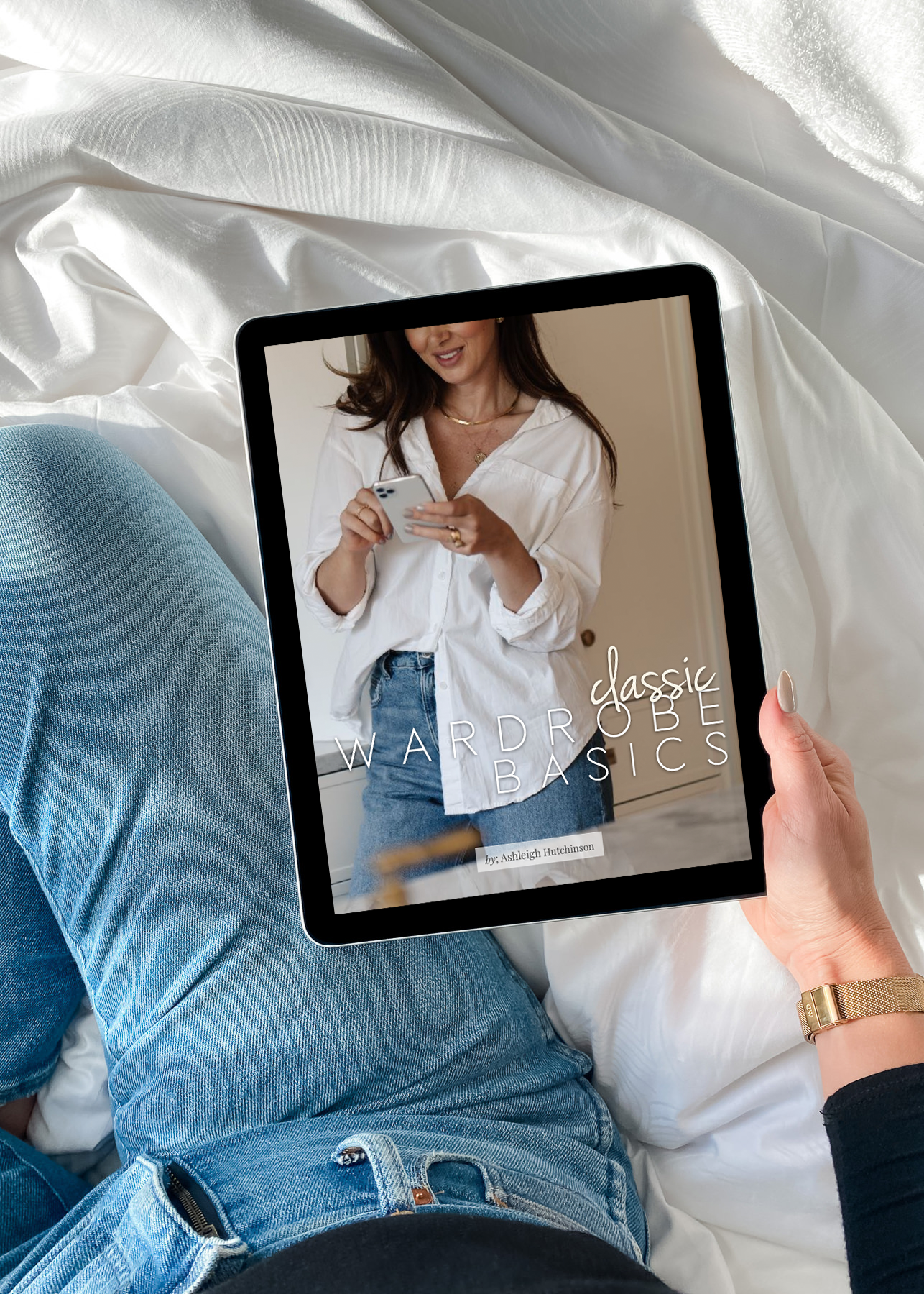
The Classic Wardrobe Basics eBook gives you a clear structure for what belongs in your wardrobe, how to style it, and how to turn it into outfits you’ll actually wear.
✔ 150+ outfit combinations using everyday pieces
✔ The exact wardrobe basics to build around
✔ A private shopping guide with the pieces to buy
✔ A wardrobe that makes getting dressed easy
Build Your Wardrobe Basics
Instant access. Start using it today.

How it works:

You’ve got mail!
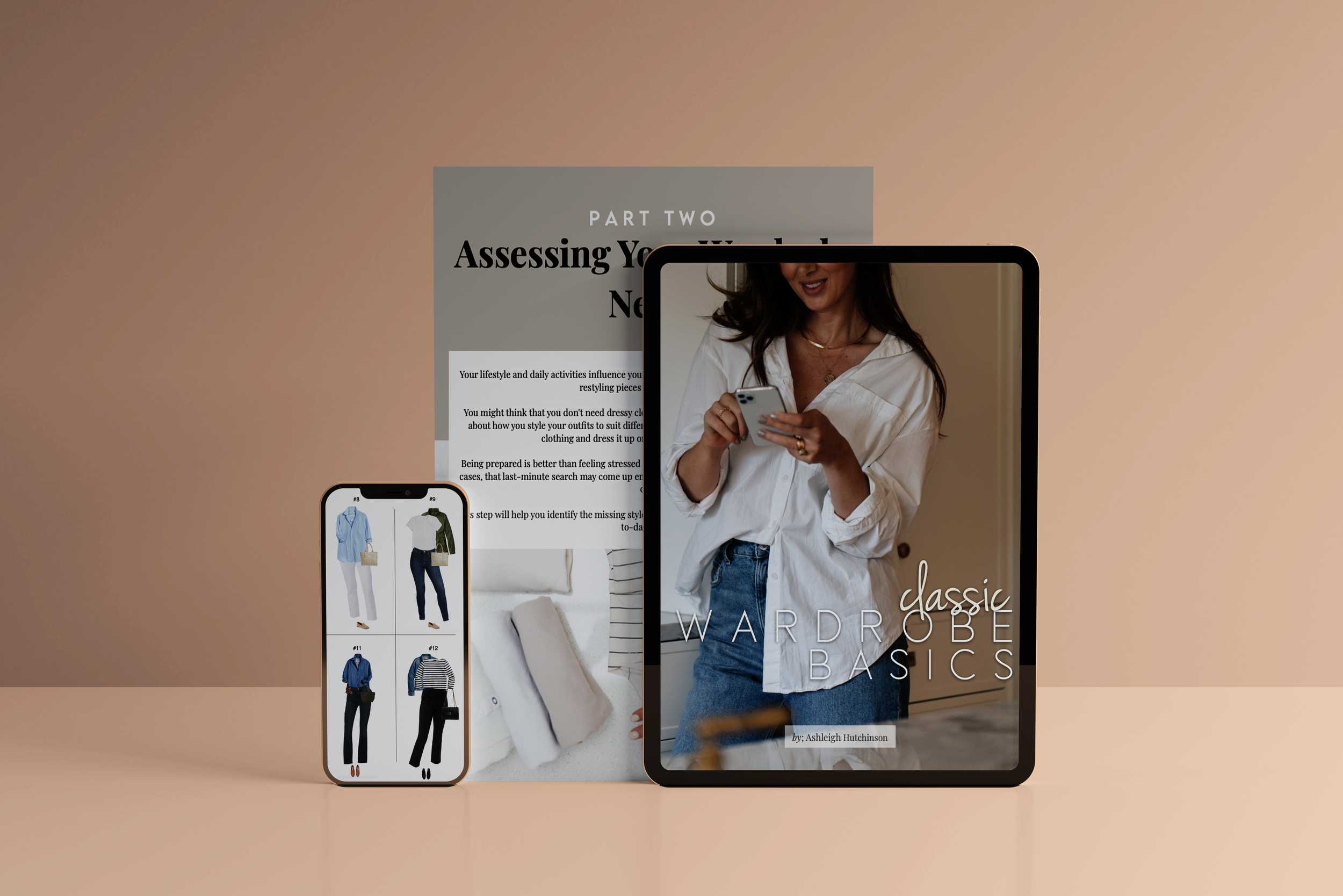
Receive an email with the link to download your capsule wardrobe eBook.
WHAT TO WEAR
This eBook will break down the different styles to wear with links to shop.

YOUR NEW LOOK
Over 250 different outfits showing you how to mix and match your clothes.
Most wardrobes aren’t missing more clothes—they’re missing the right ones.
Pieces that go together.
Pieces that can be styled more than one way.
Pieces that make everything else easier to wear.
Once those are in place, getting dressed stops feeling like a guessing game.
Inside the Classic Wardrobe Basics eBook
The Classic Wardrobe Basics eBook walks you through how to build a wardrobe where everything works together.
From the pieces to own, to how to style them, to how to turn them into outfits—everything is laid out so you know exactly how to put it all together.
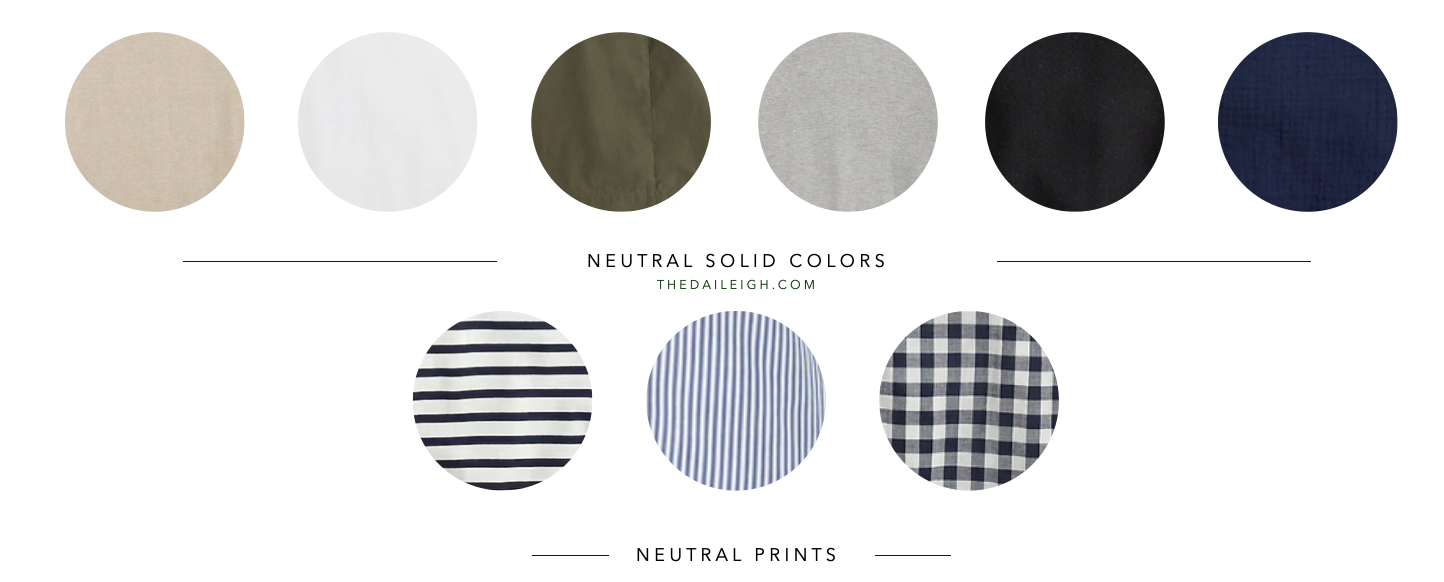
Core Wardrobe Color Palette
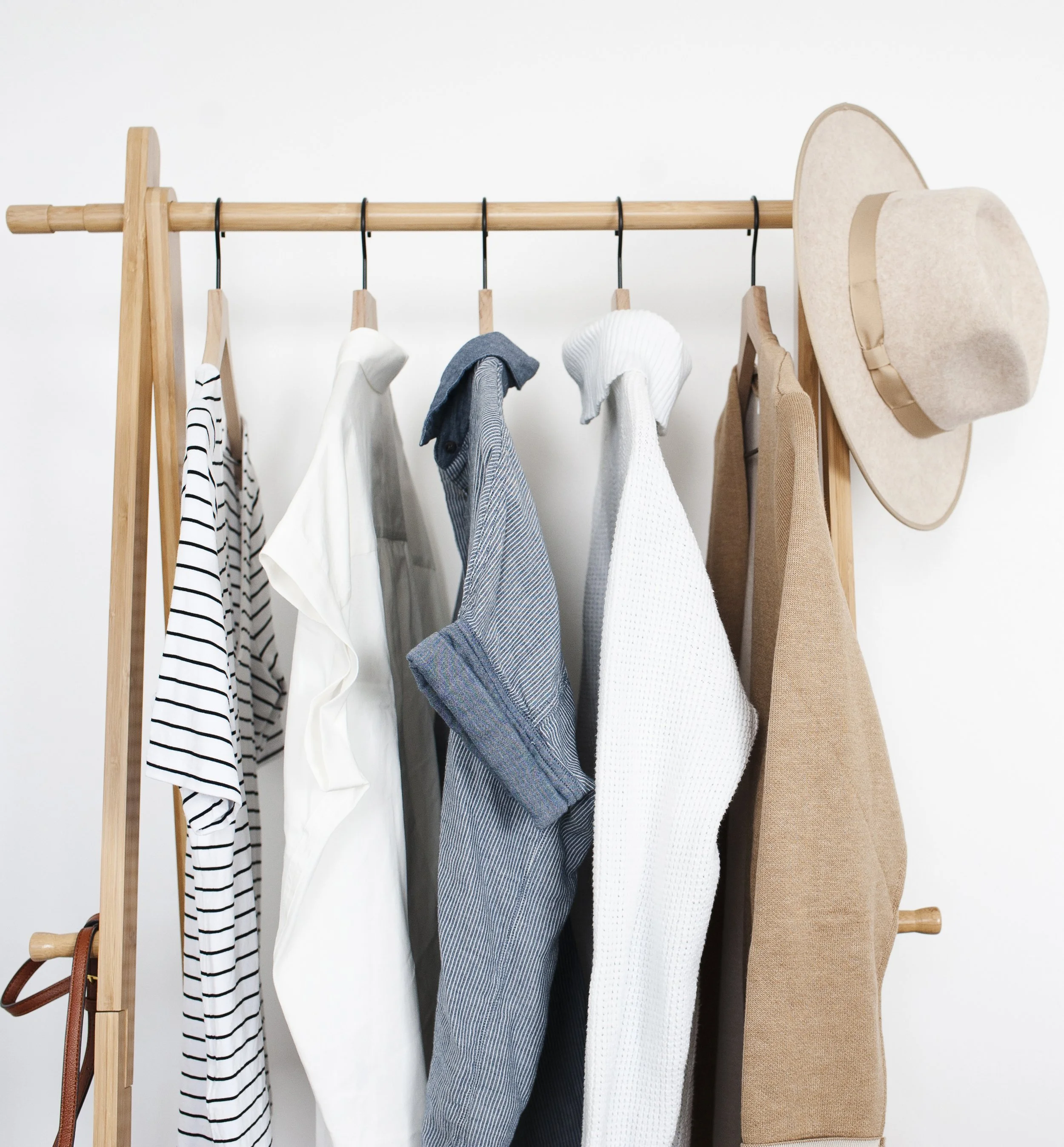
The wardrobe basics are built around a cohesive palette of neutral shades so the pieces naturally mix and match.
The guide also includes a chapter to help you identify the neutral tones that best complement your skin tone, making it easier to choose colors that work for you.
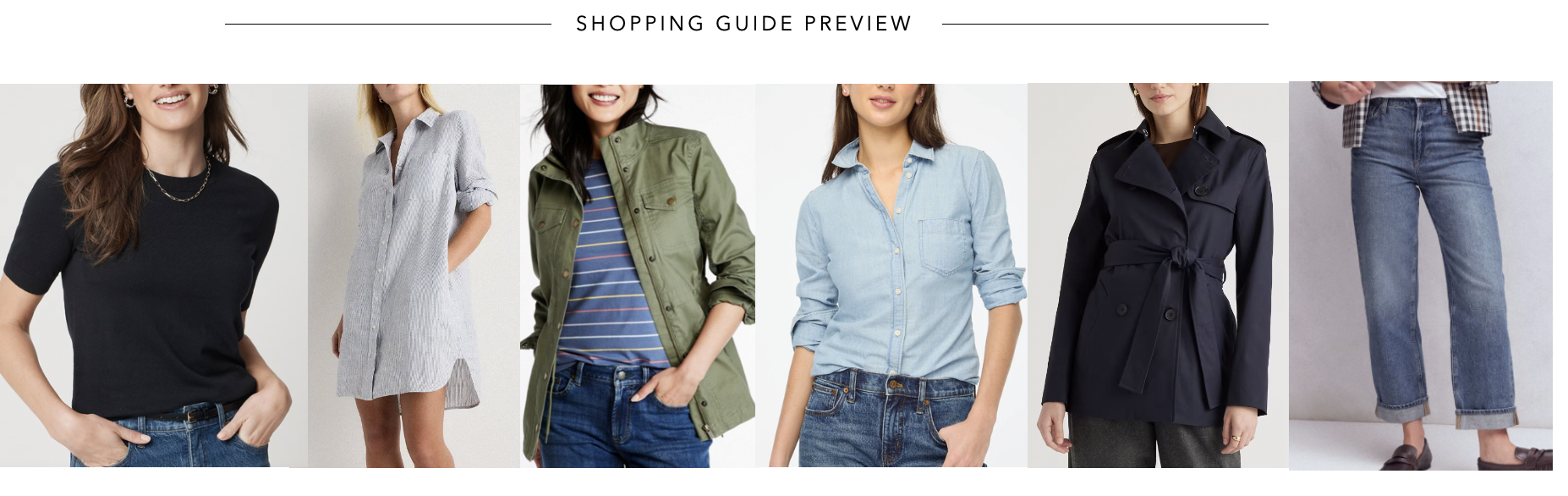
Wardrobe Basics Private Shopping Guide
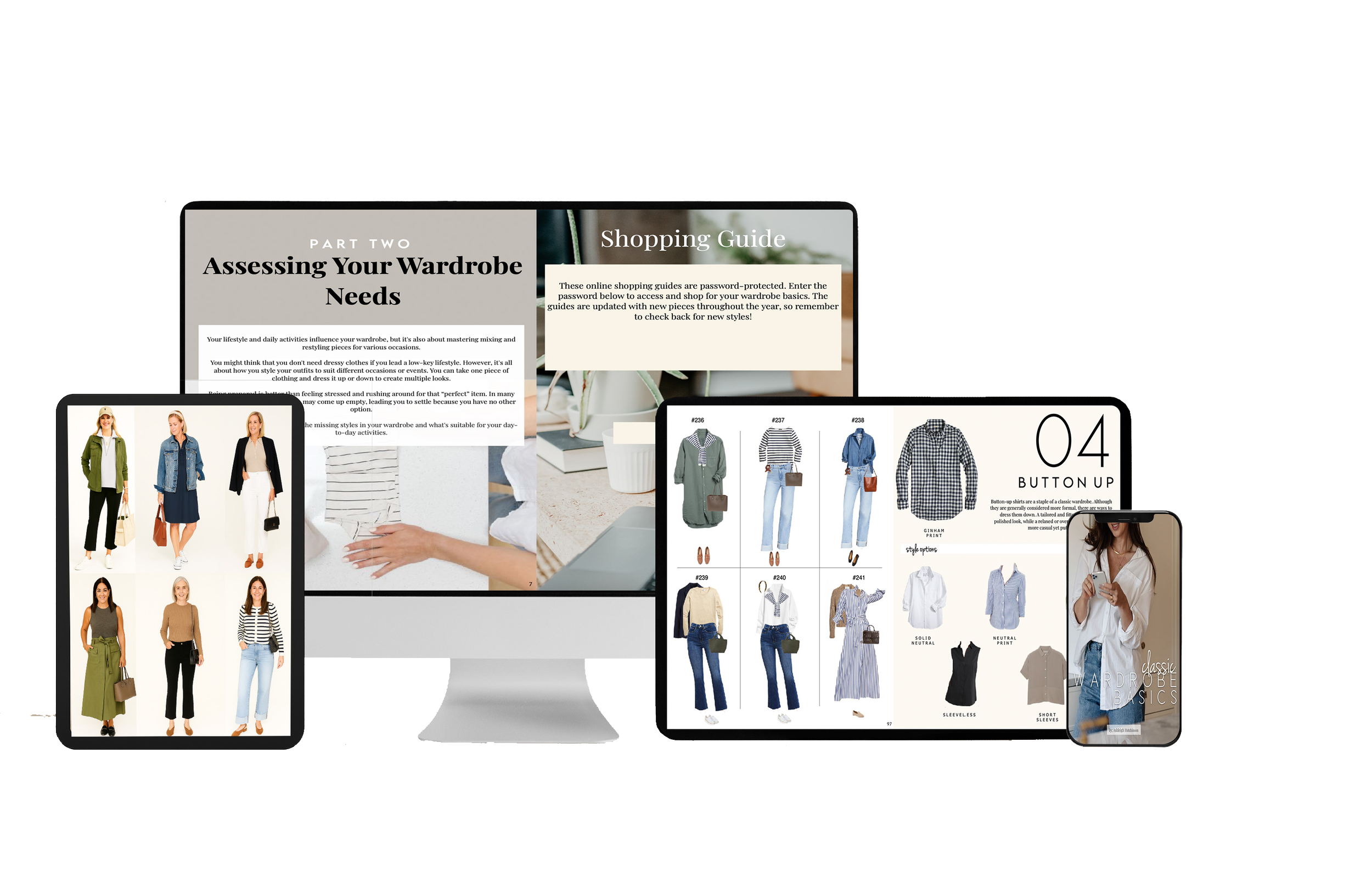
Instead of spending hours searching for the right pieces, this eBook includes a private shopping guide with the exact clothing, shoes, and accessories used throughout the outfit guide.
Simply open the guide and shop the pieces needed to build your spring wardrobe.
No endless searching.
No guessing if an item will work.
Just the pieces that make the wardrobe plan come together.
You’ll also have lifetime access to the shopping guide, which is updated periodically with new items throughout the year.
Here are a few examples of the wardrobe basics featured in the guide.
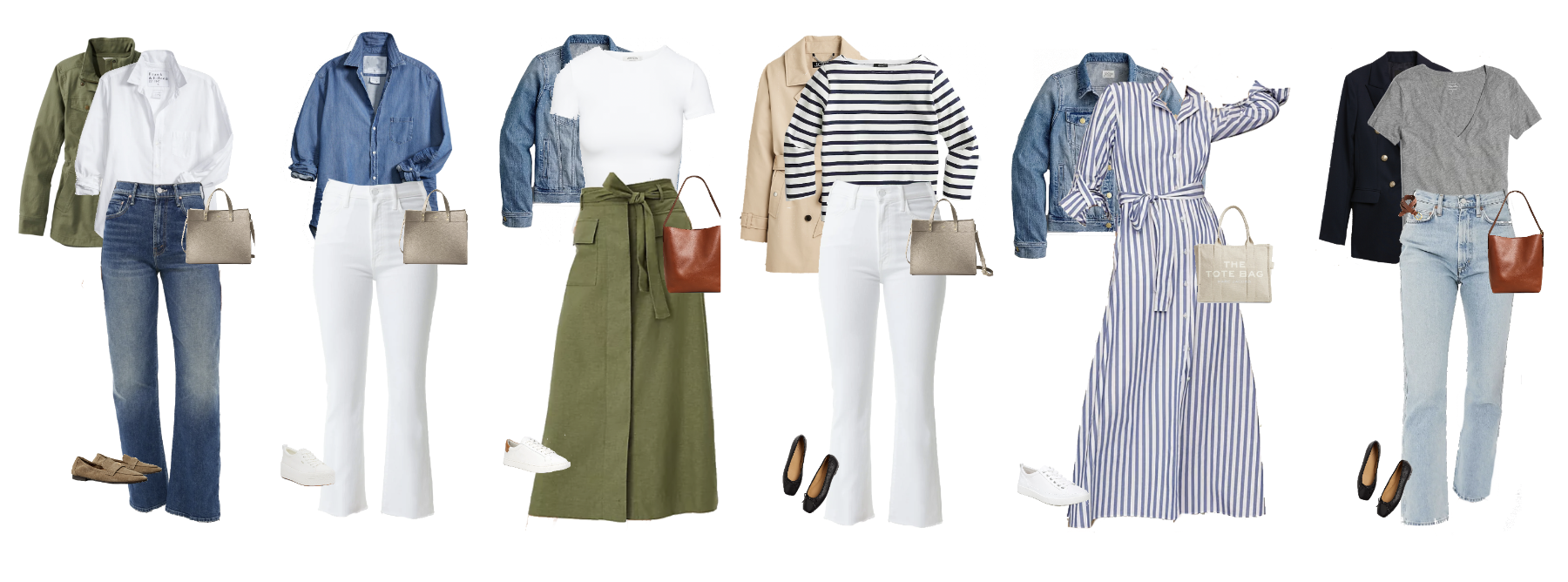
Casual & Polished Outfit Combinations Created From These Wardrobe Basics
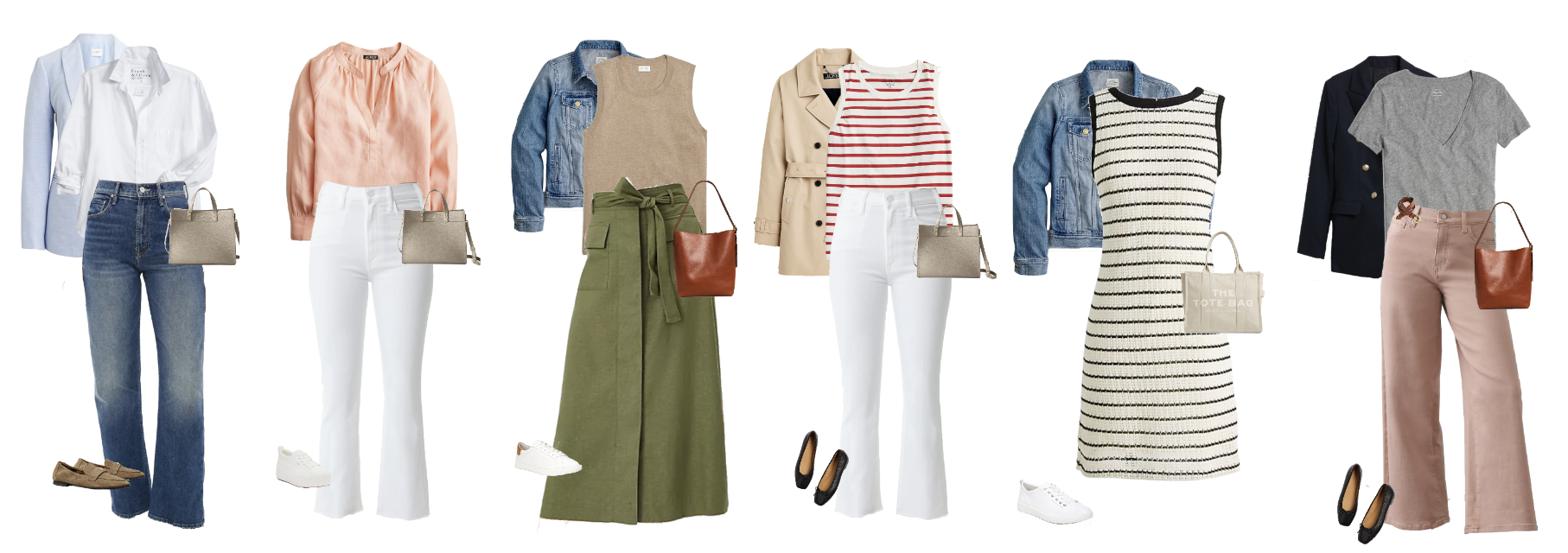
Use These Outfit Combinations With Pieces From Your Closet
Swap in similar pieces from your own wardrobe — including items you’ve been struggling to wear — to create new outfit combinations.
Transition These Basics Through Every Season
These foundational pieces become the base of your wardrobe, making it easy to transition them from season to season.
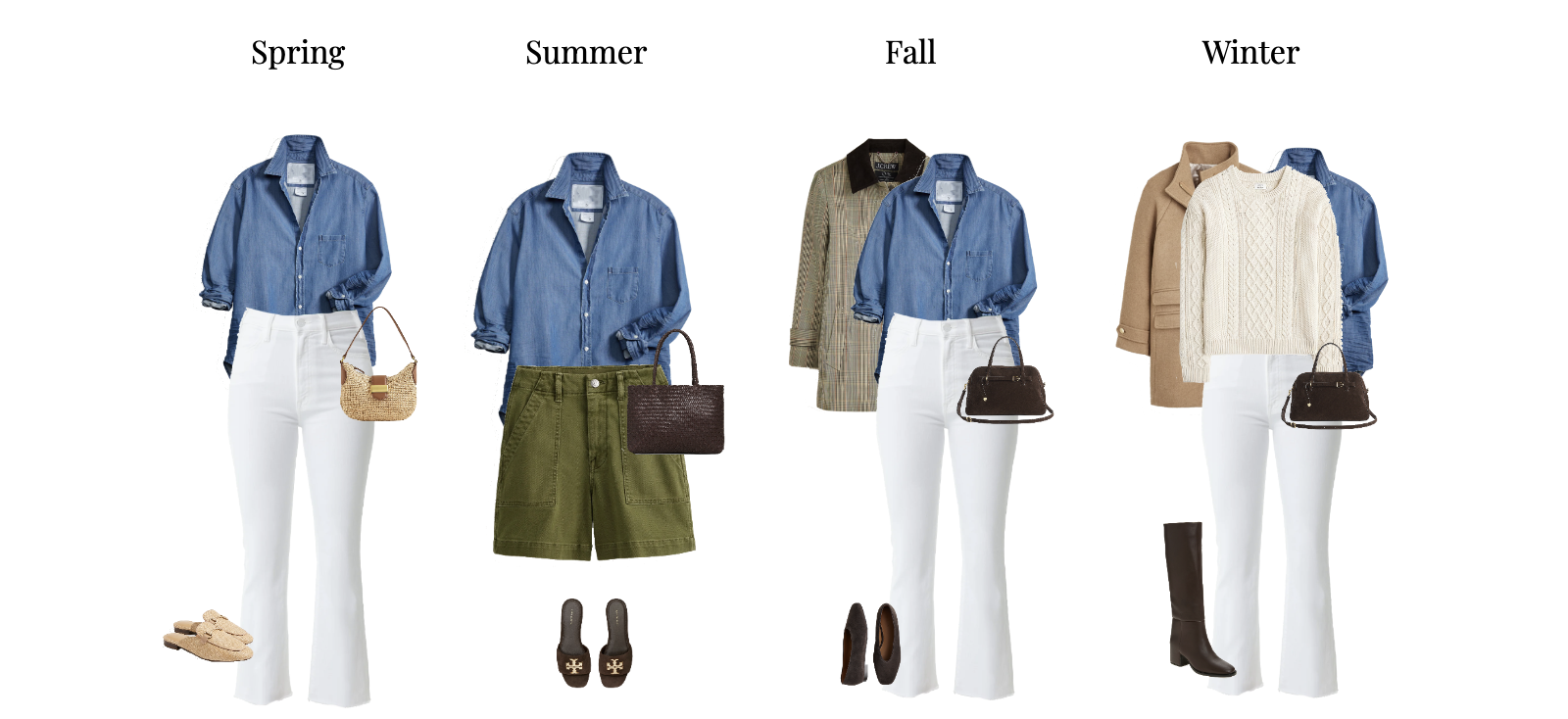
Stop guessing what works. Start building outfits that actually come together.
If your wardrobe isn’t working, this is what fixes it.
Buy the Wardrobe Basics eBook. Download now.
** EBOOK IS EMAILED TO YOU DOWNLOAD IMMEDIATELY AFTER COMPLETING PURCHASE **
Inside you’ll find:
A clear breakdown of the wardrobe basics that create a cohesive foundation
Twelve neutral base color options and guidance on creating variety within a neutral wardrobe
Direction on coordinating colors, prints, and proportions so outfits feel intentional
How to dress your basics up or down and build multiple outfits around the same pieces
265+ casual outfit ideas, shown through outfit collages and real women over 40
Essential accessories, plus a travel capsule, packing list, and inventory checklist
Three wardrobe process Q&As to simplify and clarify your closet
Lifetime access to a private shopping guide, updated year-round in regular, petite, and plus sizes
155 pages delivered immediately as a PDF
Adding the Seasonal Pieces
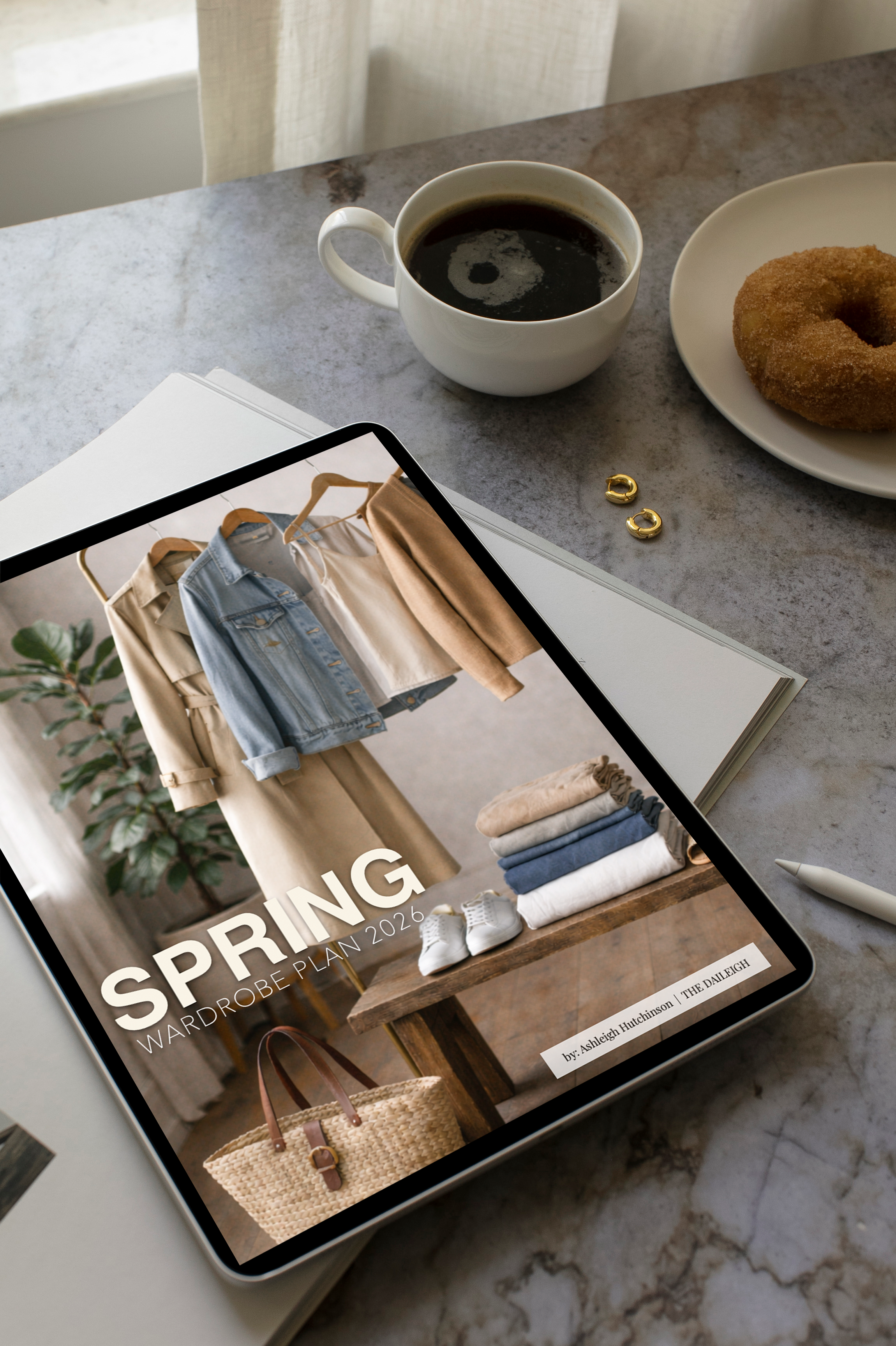
The Spring Wardrobe Plan
Getting dressed during the spring season can feel unpredictable.
With spring’s back-and-forth weather — warm one day, cooler the next — it can be hard to know what pieces you should actually add to your wardrobe.
The Spring Wardrobe Plan shows you what to wear and includes a private shopping guide so you know exactly what to buy.
Within the plan, 20 key pieces and a cohesive color palette create over 80 outfit combinations.
Know what to wear.
Know what to buy.
Know how to style it.
Problem solved.
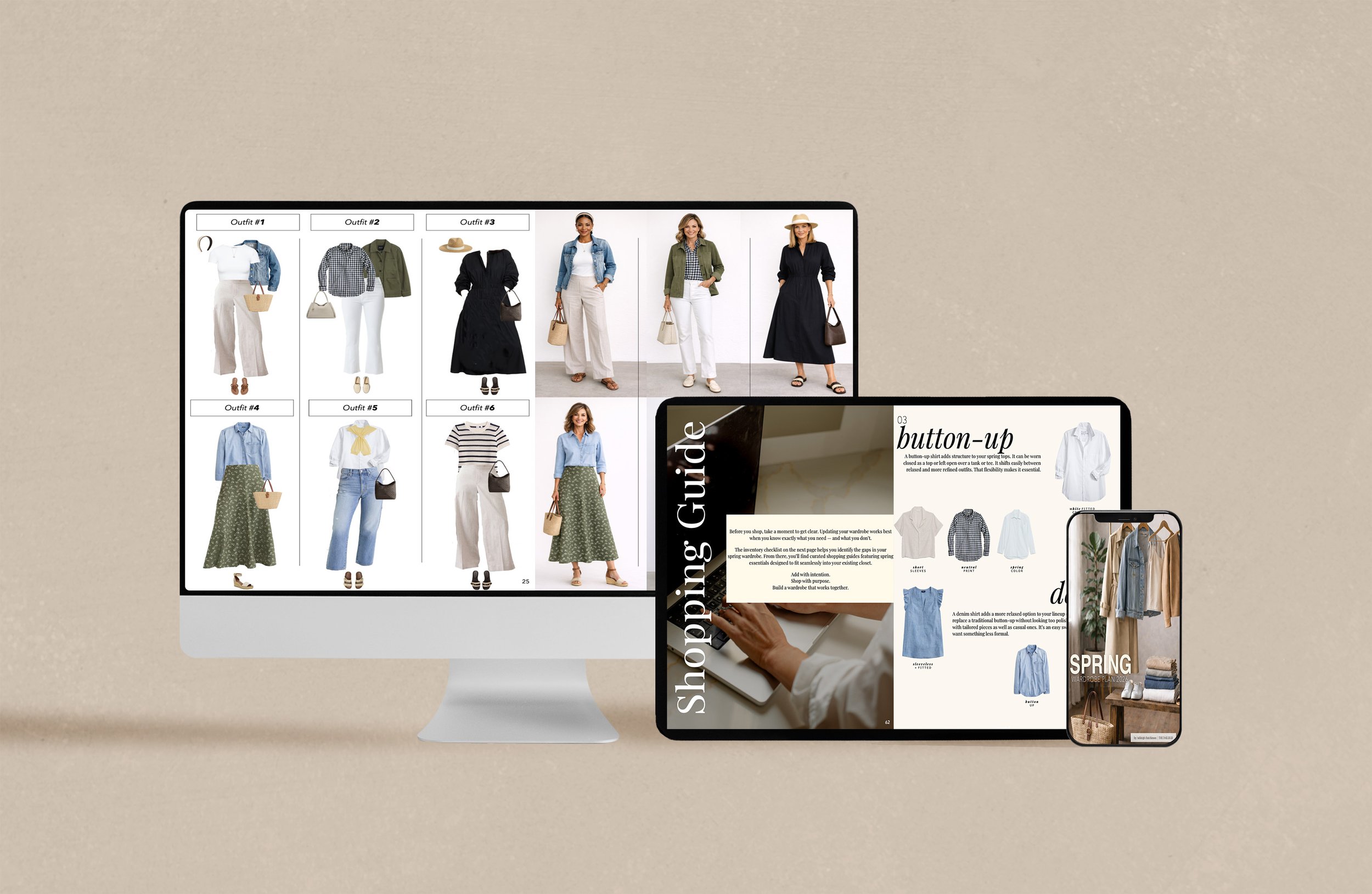

Inside the Spring Wardrobe Plan
This guide shows you how to build a casual, polished wardrobe for the season.
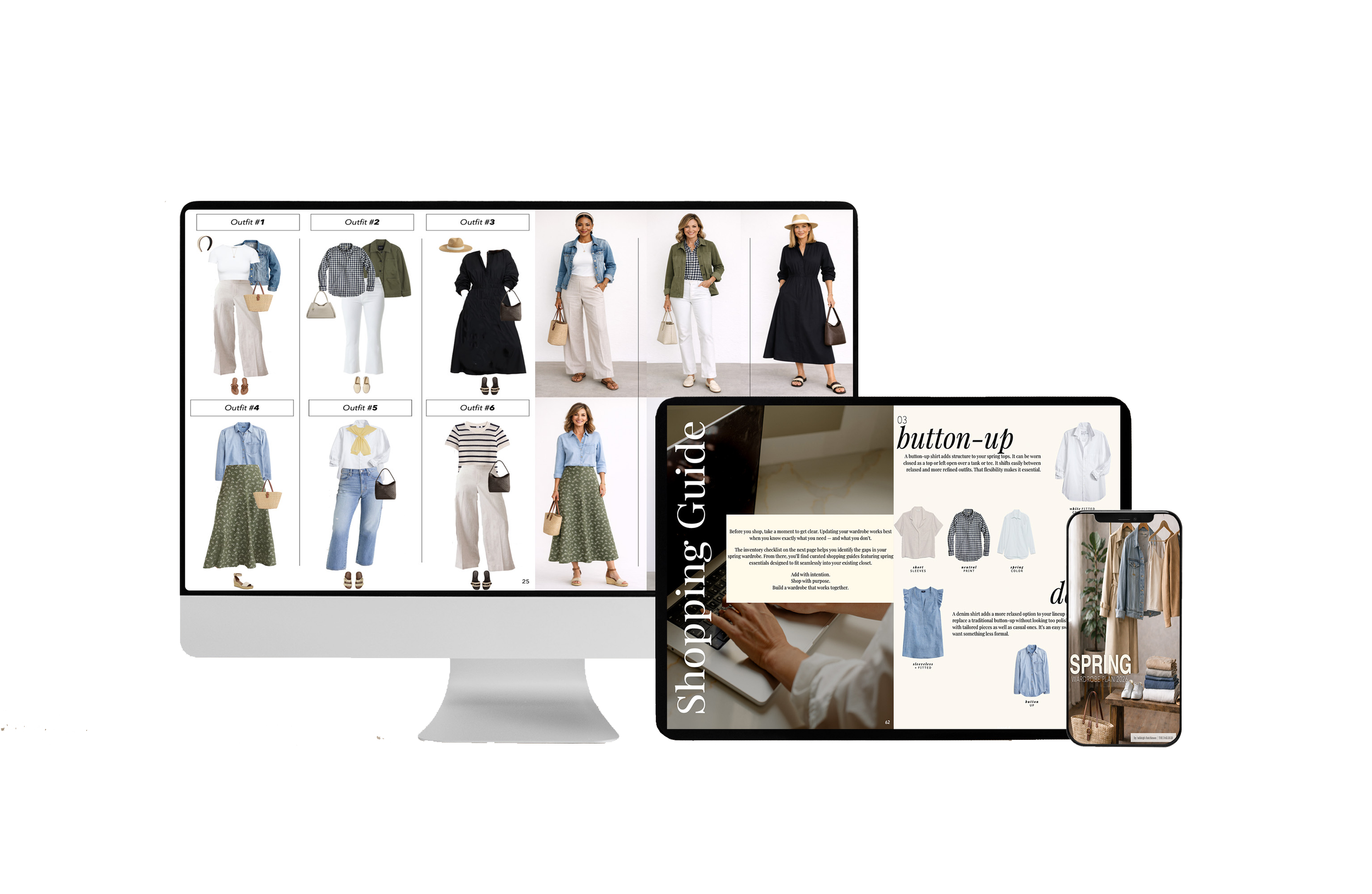
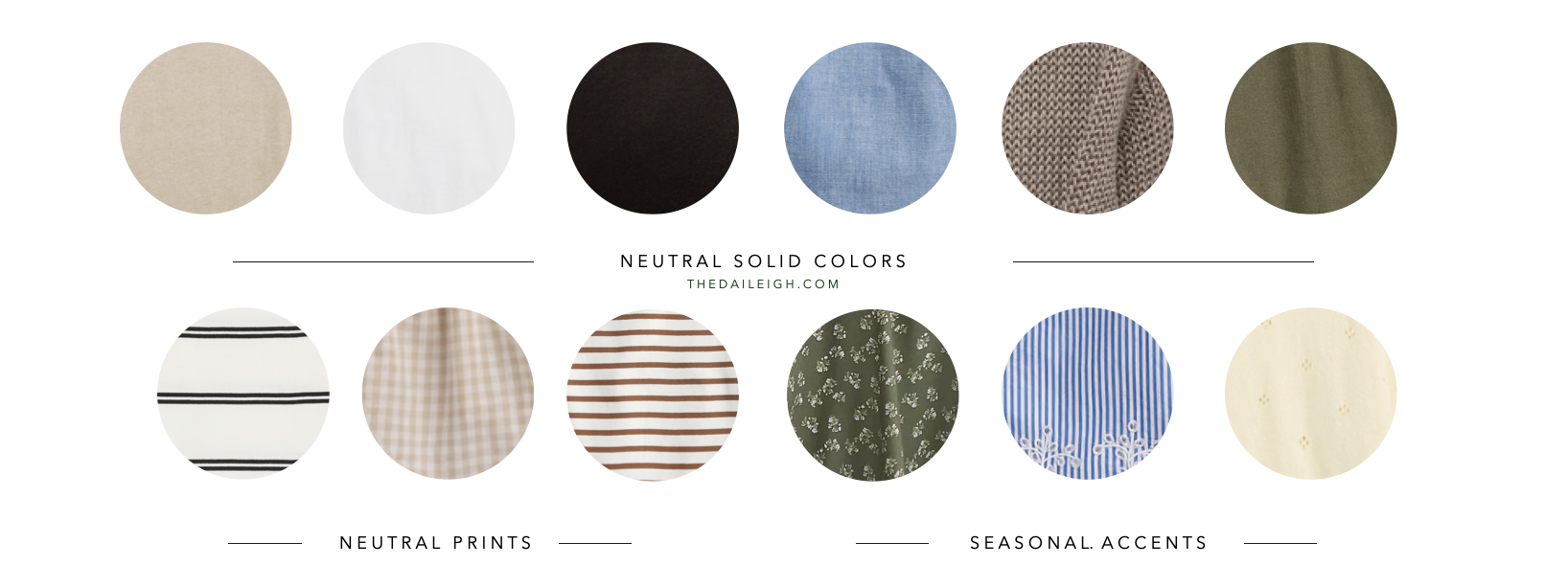
Color Palette
The wardrobe is built around neutral colors that make it easy for the pieces to mix and match.
Seasonal accent colors and prints are included as examples, showing how you can incorporate the colors and patterns you enjoy wearing while keeping the wardrobe cohesive.
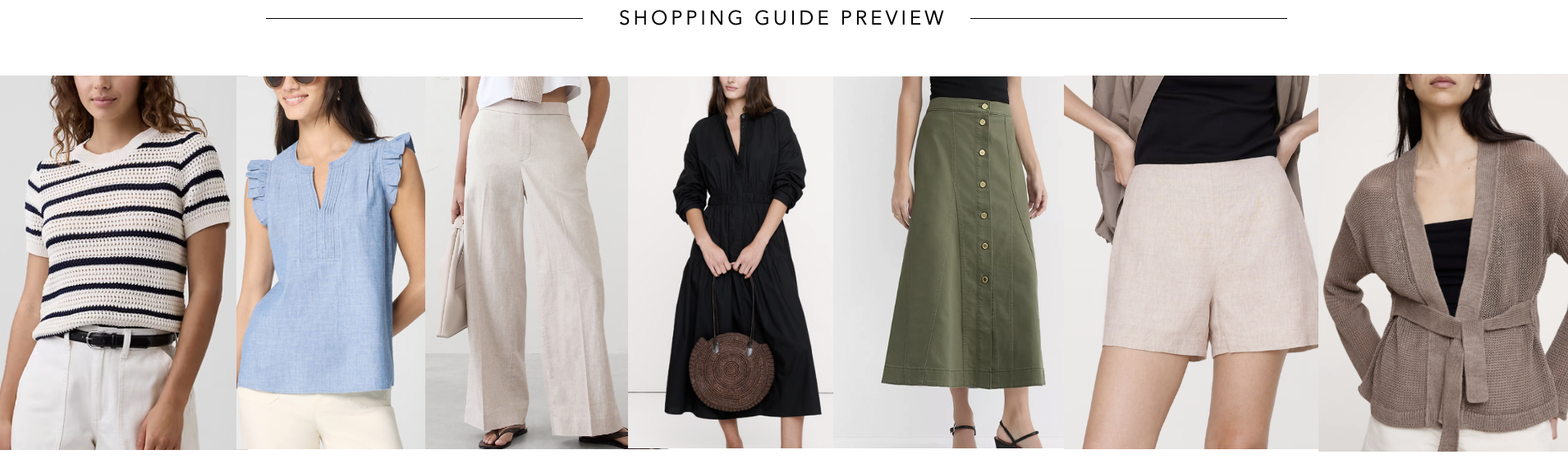
Spring Pieces Shopping Guide
Instead of spending hours searching for the right pieces, the Spring Wardrobe Plan includes a private shopping guide with the exact clothing, shoes, and accessories used throughout the outfit guide.
Simply open the guide and shop the pieces needed to build your spring wardrobe.
No endless searching.
No guessing if an item will work.
Just the pieces that make the wardrobe plan come together.
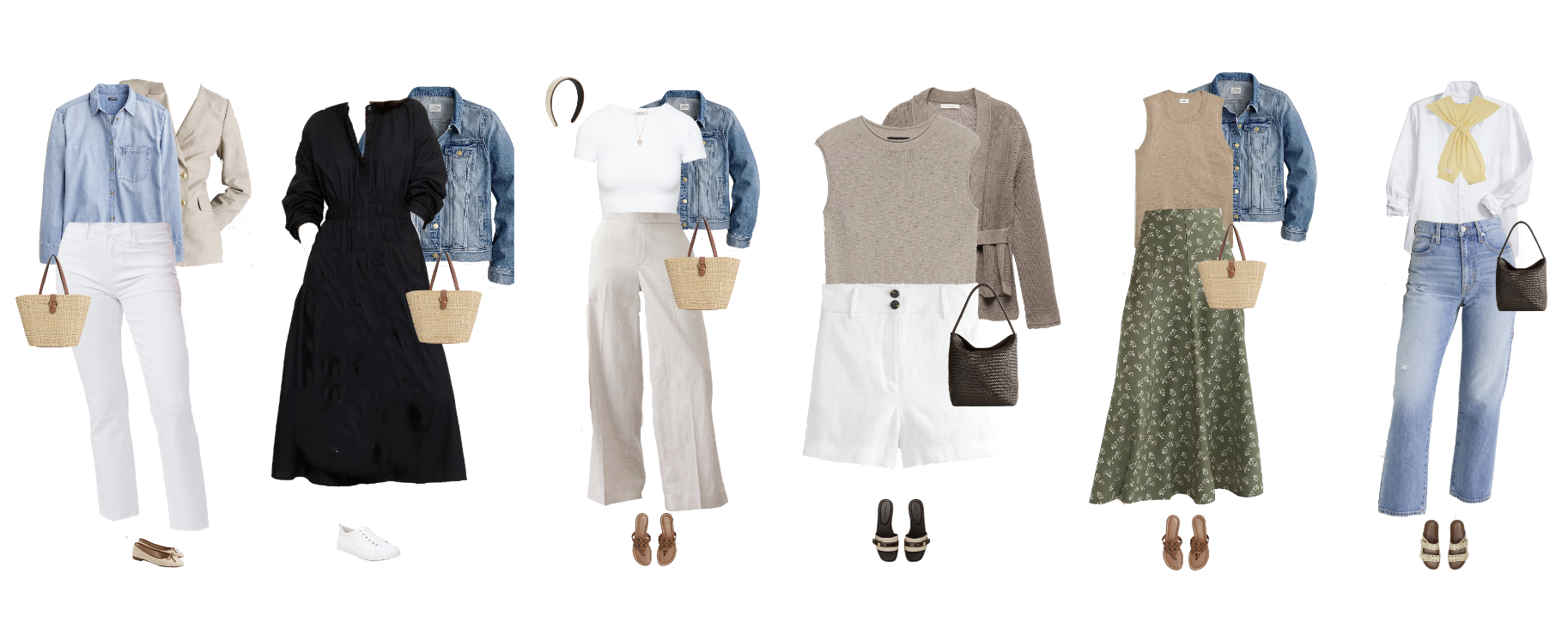
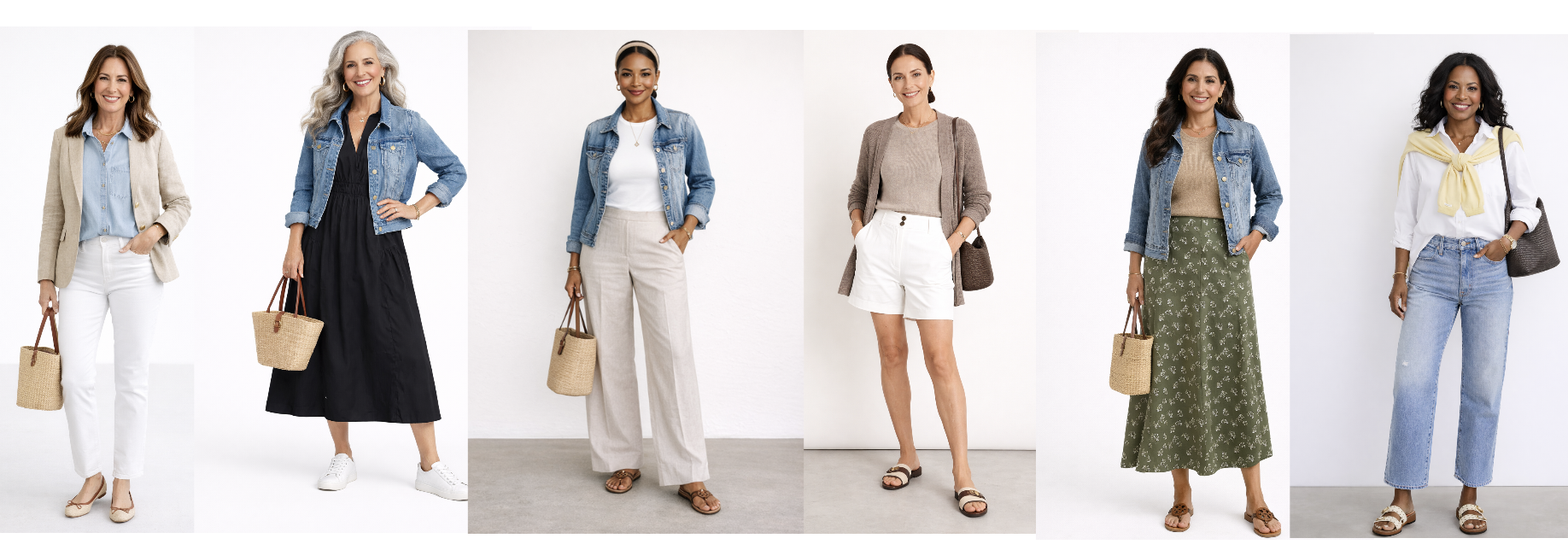
Sample Outfit Combinations
Examples of outfits created from the wardrobe pieces in the guide — outfit collages + modeled on women.
Build a spring wardrobe that makes getting dressed easy.
Get the Spring Wardrobe Plan eBook!
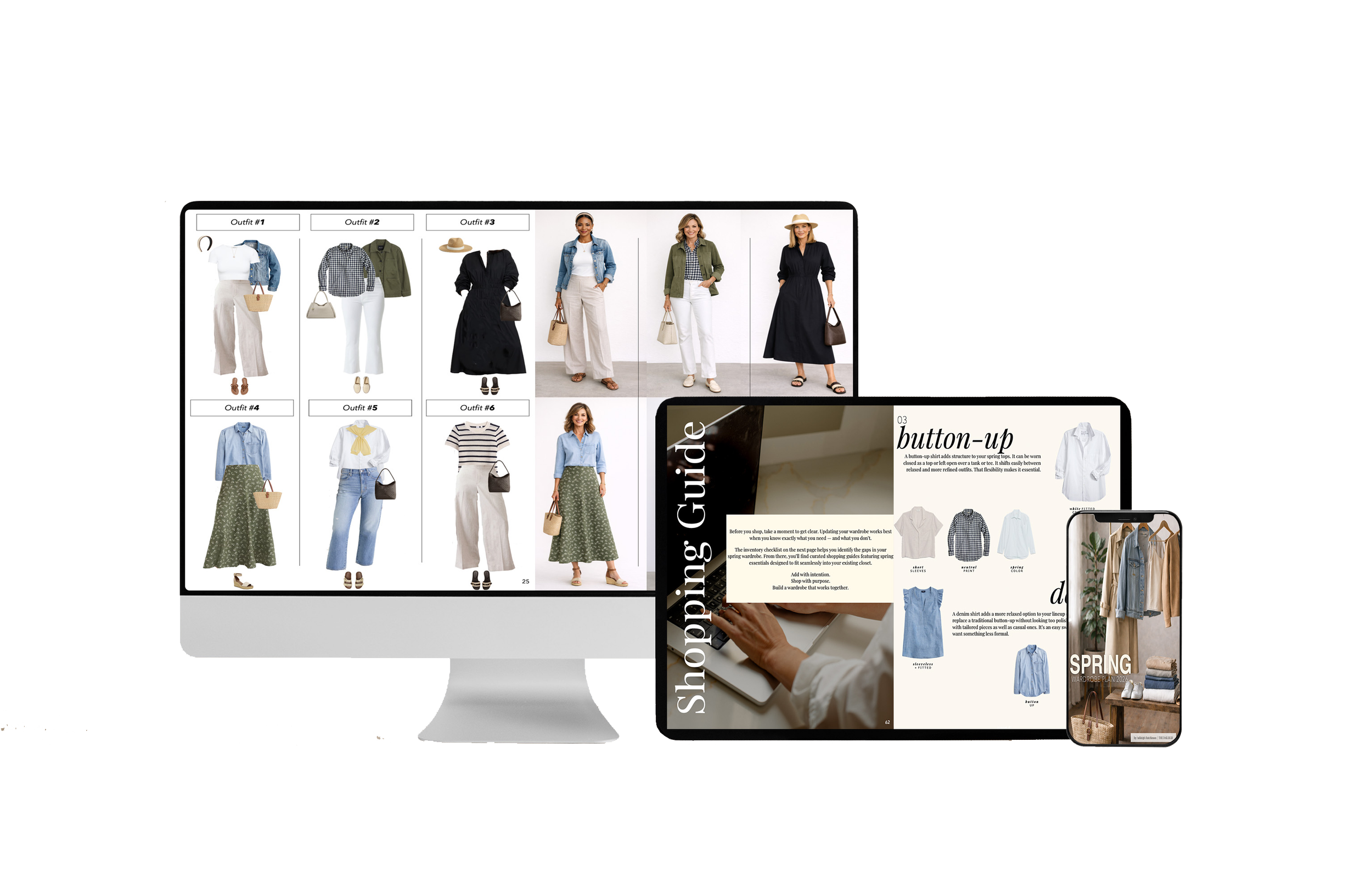
65 pages
Ebook emailed to you immediately after purchase as PDF file
Chapter 1: Spring Wardrobe Essentials
Chapter 2: The Seasonal Edit
Chapter 3: The Accessories Capsule
Chapter 4: The Outfit Guide
Chapter 5: Adding Shorts to the Rotation + Shorts Outfit Guide
Chapter 6: The Spring Travel Capsule
Chapter 7: The Inventory Edit

FAQs
Do I have to buy the exact pieces shown?
No. You can recreate the outfits using similar pieces from your own wardrobe.
What format is the guide in?
The guide is a digital download (PDF file) you can view on your phone, tablet, or computer.
Does the shopping guide include different sizes?
Yes. The shopping guide includes options across petite, regular, and plus sizes.
Will the clothing from the shopping guide be shipped by your website?
No. The shopping guide includes links to items available from different retailers. You can shop the pieces directly from those stores.
What Customers Are Saying:

I love your guides so much - they have been, by far, the most helpful thing I have found in my journey to explore and refine my personal style. I print out each guide and store them in binders, so I can refer to them when I'm trying to figure out what to wear in the morning, or when I just need a little inspiration to finish a look.
Your professional advice has helped me to simplify and consolidate my wardrobe, while at the same time making it seem like I actually have MORE clothes to choose from, because everything goes together so beautifully. You've also introduced me to some classic pieces - like cami tops - that I hadn't considered wearing previously, and now I adore them.