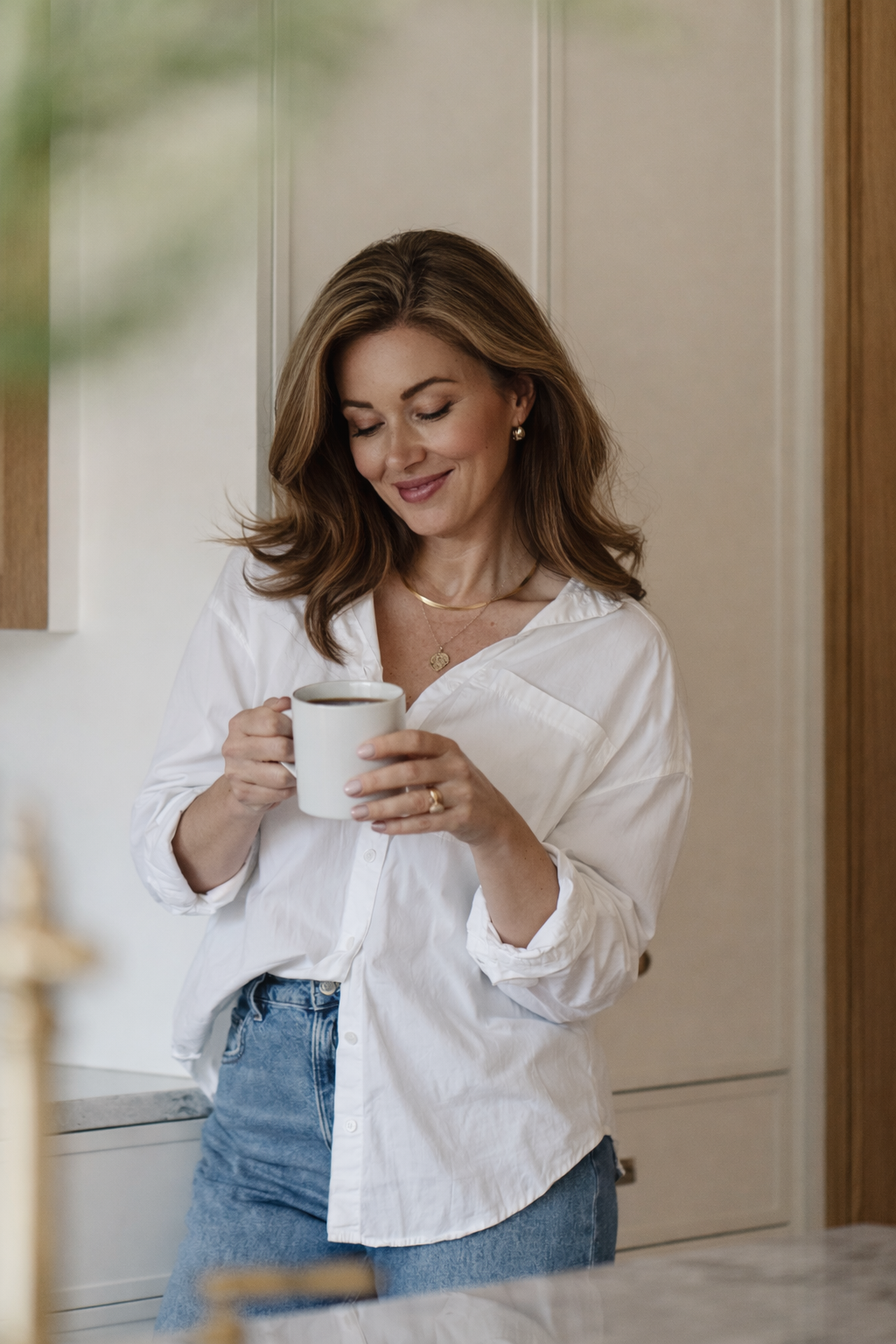
Build a Wardrobe That Gives You More Outfit Options
Getting dressed shouldn't depend on constantly buying something new.
Yet that's exactly what many women end up doing.
A new top here. A new pair of shoes there. Another purchase that promises to pull everything together.
The result is often a growing collection of clothes but not necessarily more outfits.
The women who always seem to look put together aren't wearing completely different clothes than everyone else.
They've simply learned how to create more outfit options from what they already own, helping them feel more confident and keep their wardrobe feeling current without constantly buying something new.
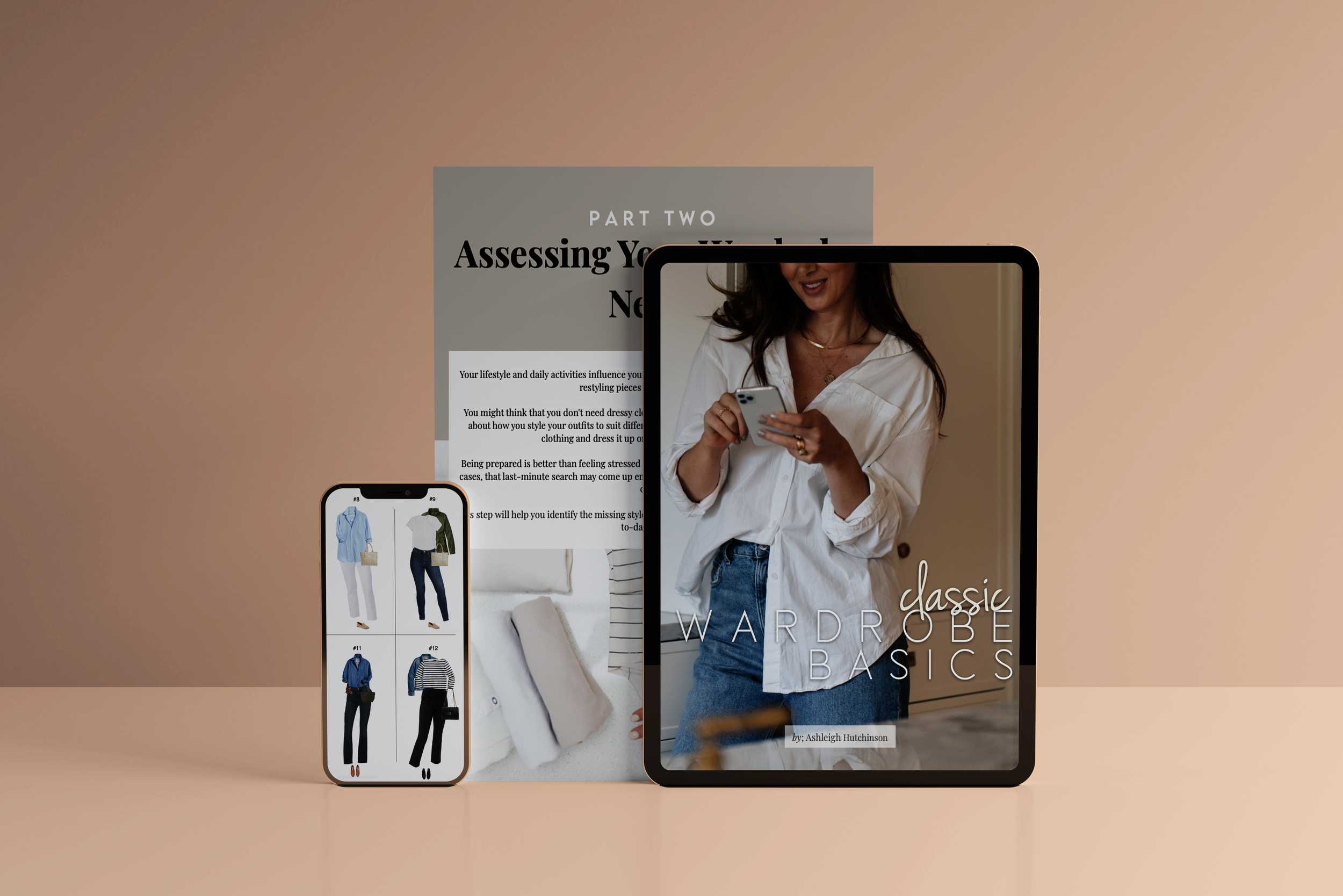
That's what the Classic Wardrobe Basics eBook is designed to help you do.
Instead of focusing on trends, seasonal shopping lists, or chasing the next must-have item, this guide focuses on creating a wardrobe that works together. One that gives you more possibilities, more flexibility, and more confidence in what you're wearing.
Inside, you'll learn how to build outfits with greater ease, make smarter purchasing decisions, identify the pieces that deserve space in your wardrobe, and create more combinations from the clothes you already own.
Because the goal isn't to own more clothes.
The goal is to get more from the clothes you own.
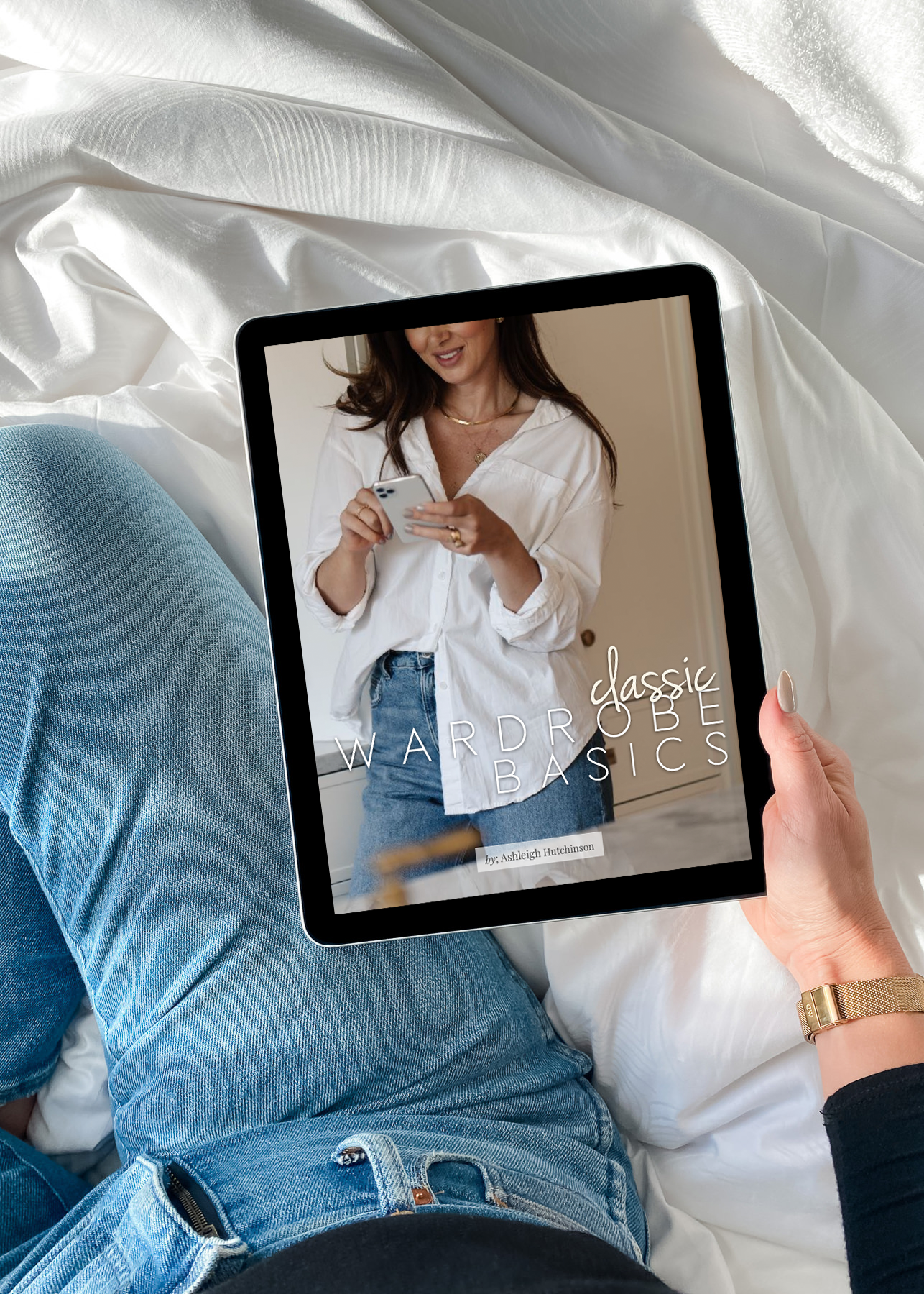
What's Included
✔ 265+ outfit ideas
✔ Wardrobe basics breakdown
✔ Neutral wardrobe color palettes
✔ Accessory recommendations
✔ Private shopping guide
✔ Travel capsule wardrobe
✔ Inventory checklist
✔ Outfit collages + real women modeling the looks
Instant access. Start using it today.

How it works:
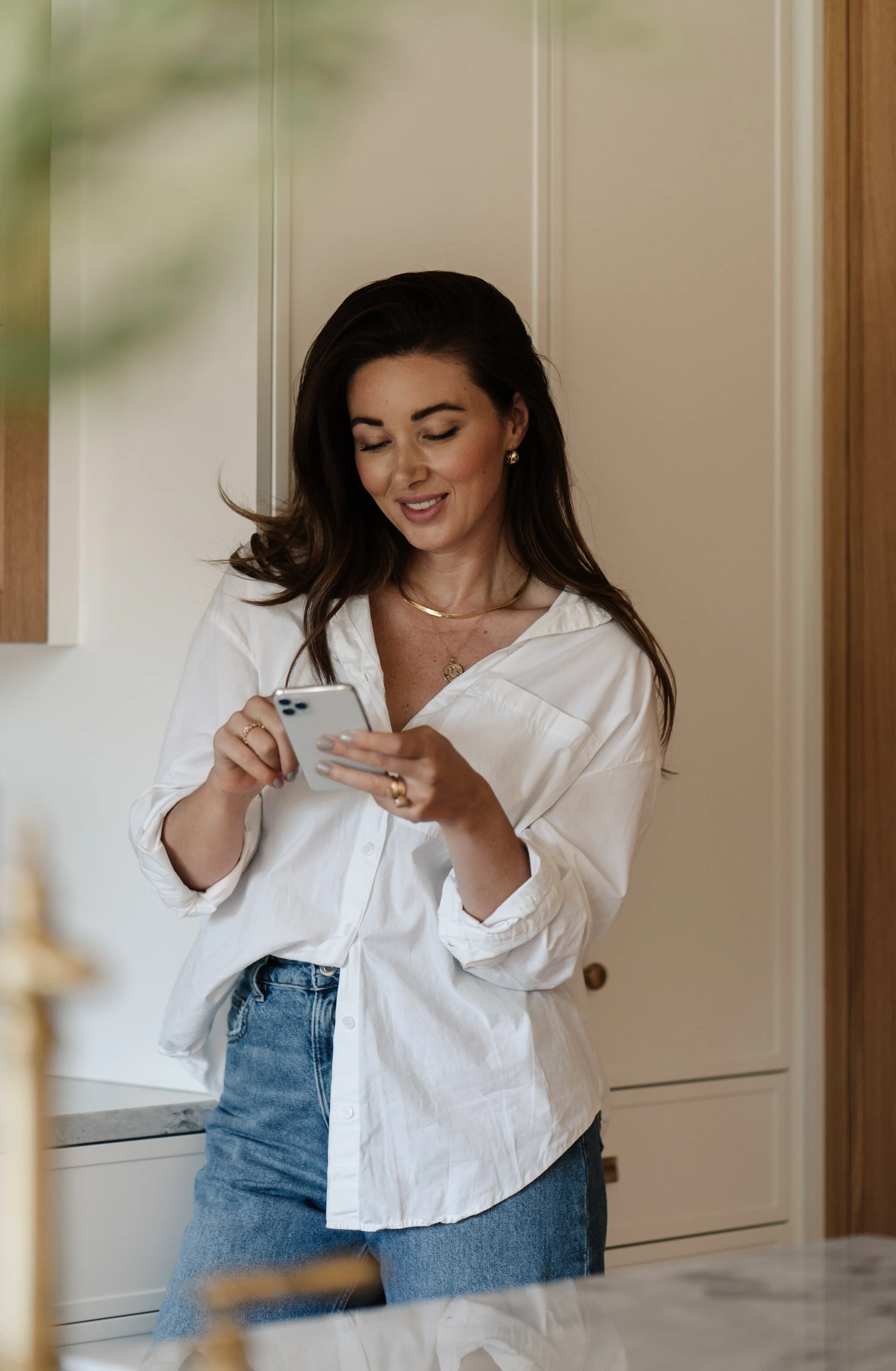
download your ebook
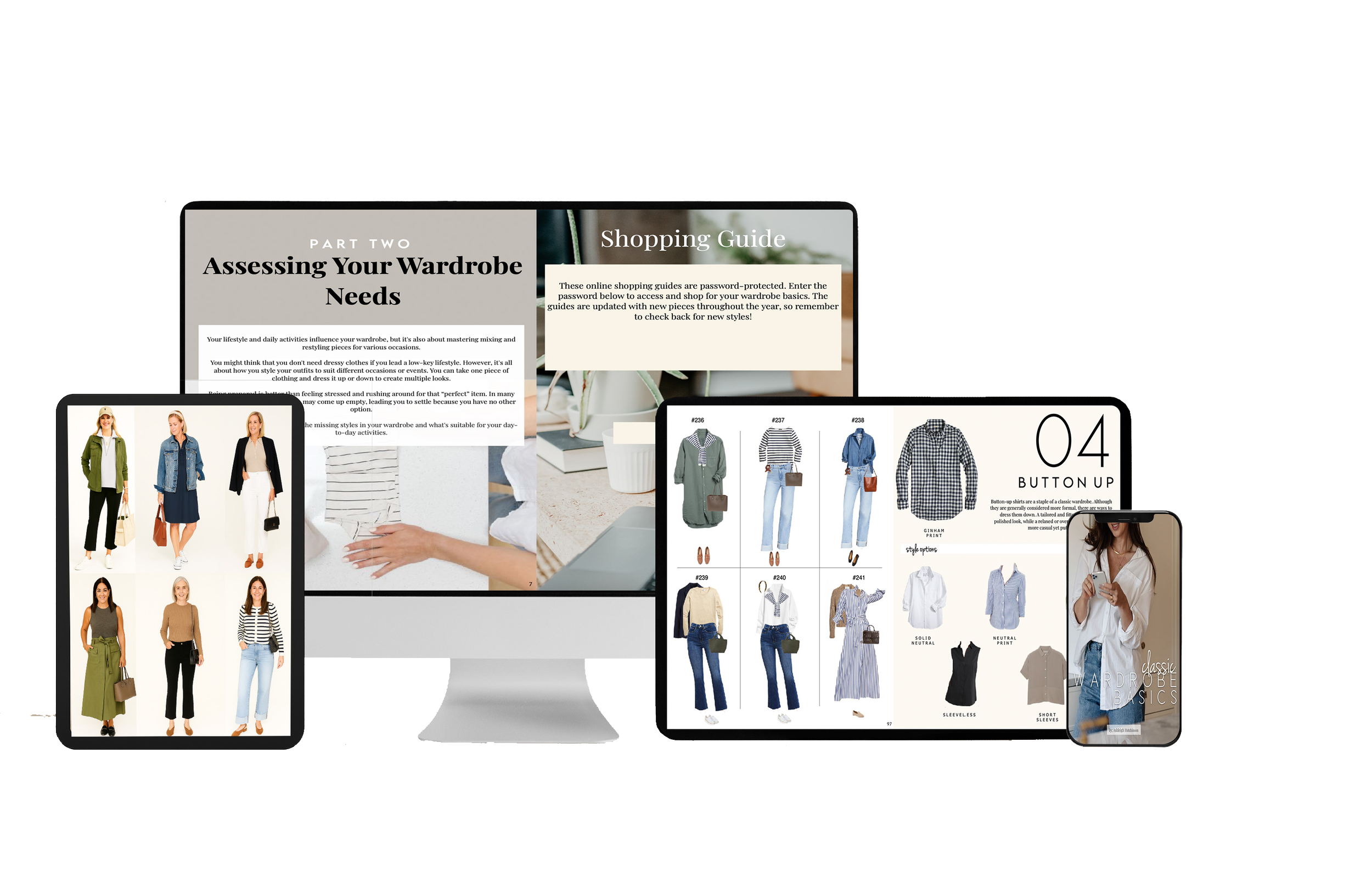
Your eBook is emailed immediately after purchase and can be viewed on your phone, tablet, computer, or Kindle.
learn what to buy
You'll discover the wardrobe basics that create the foundation of a timeless, versatile wardrobe.

CREATE BETTER OUTFITS
Use the outfit guide examples to create hundreds of outfit combinations from pieces you already own or plan to purchase.
You Don't Need a Whole New Wardrobe
The goal isn't to replace everything in your closet.
The Classic Wardrobe Basics eBook helps you identify the wardrobe essentials that work with the clothes you already own so you can create more outfits with less frustration.
Inside the Classic Wardrobe Basics eBook
The Classic Wardrobe Basics eBook walks you through how to build a wardrobe where everything works together.
From the pieces to own, to how to style them, to how to turn them into outfits—everything is laid out so you know exactly how to put it all together.
Core Wardrobe Color Palette
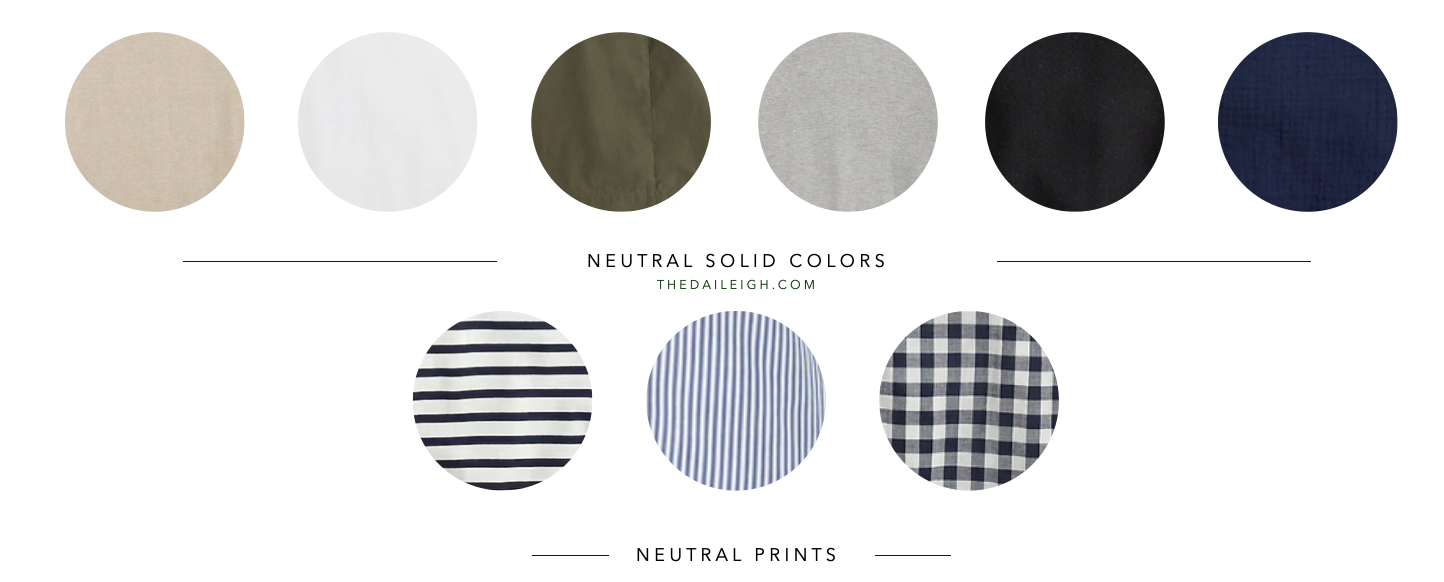
The wardrobe basics are built around a cohesive palette of neutral shades so the pieces naturally mix and match.
The guide also includes a chapter to help you identify the neutral tones that best complement your skin tone, making it easier to choose colors that work for you.
Wardrobe Basics Private Shopping Guide
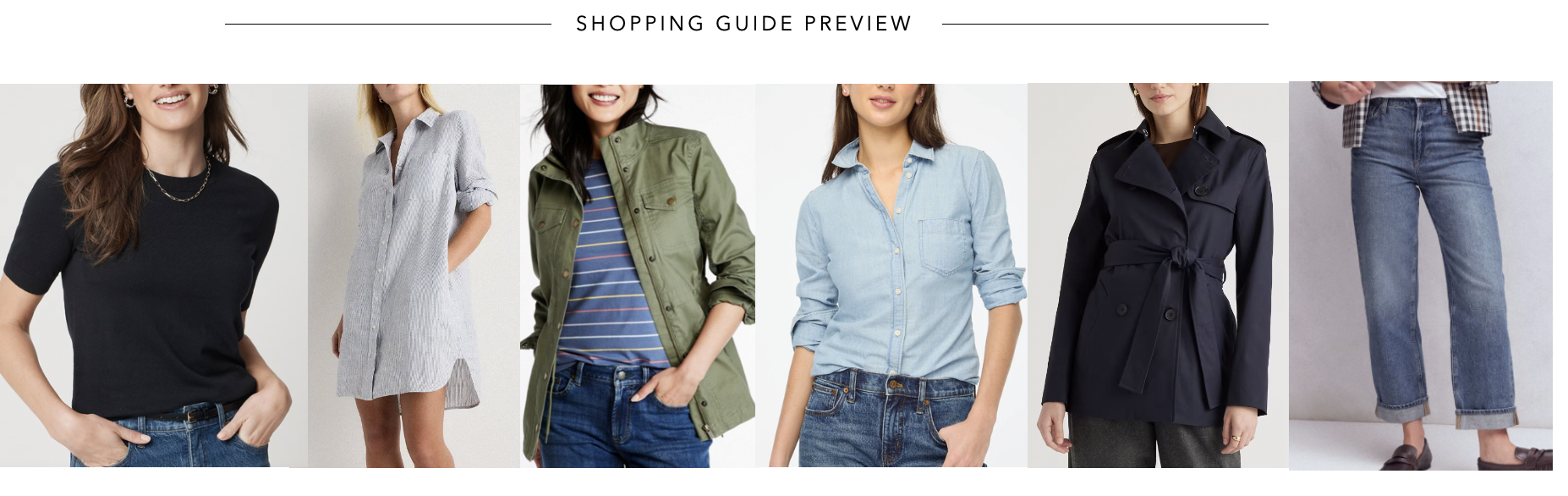
Instead of spending hours searching for the right pieces, this eBook includes a private shopping guide with the exact clothing, shoes, and accessories used throughout the outfit guide.
Simply open the guide and shop the pieces needed to build your spring wardrobe.
No endless searching.
No guessing if an item will work.
Just the pieces that make the wardrobe plan come together.
You’ll also have lifetime access to the shopping guide, which is updated periodically with new items throughout the year.
Here are a few examples of the wardrobe basics featured in the guide.
Casual & Polished Outfit Combinations Created From These Wardrobe Basics
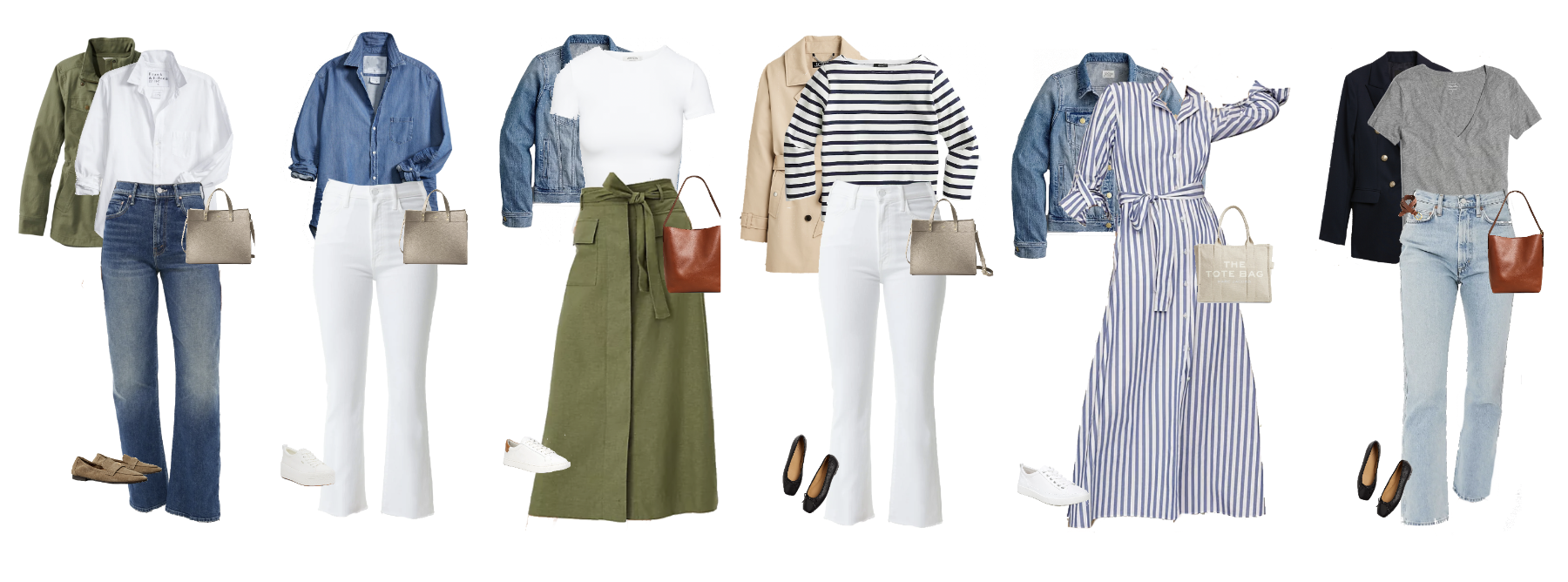
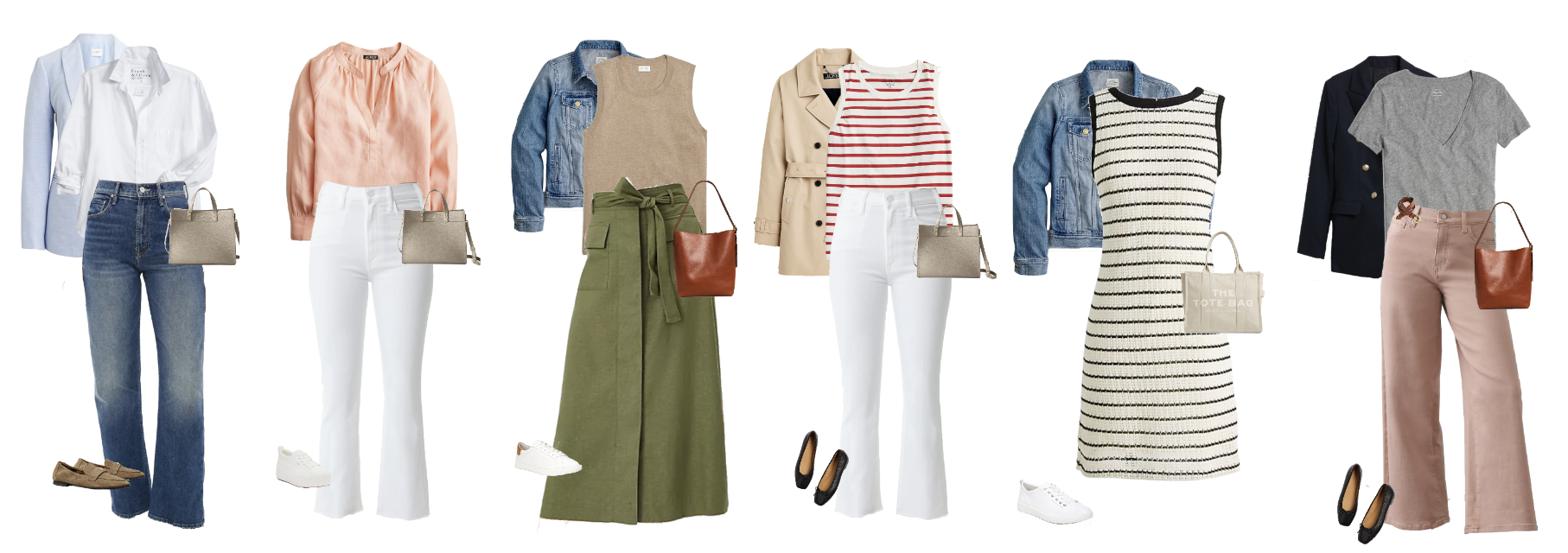
Use These Outfit Combinations With Pieces From Your Closet
Swap in similar pieces from your own wardrobe — including items you’ve been struggling to wear — to create new outfit combinations.
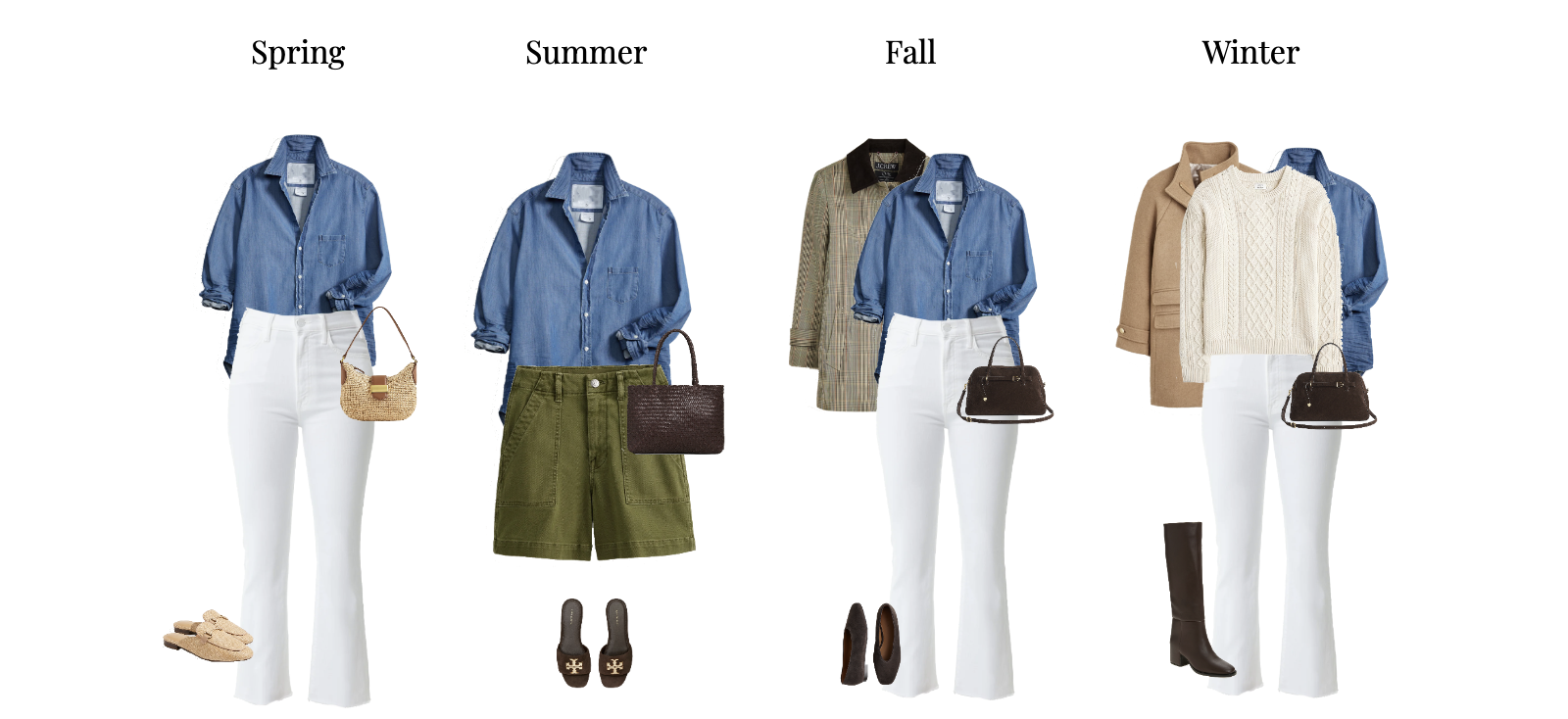
Transition These Basics Through Every Season
These foundational pieces become the base of your wardrobe, making it easy to transition them from season to season.
Stop guessing what works. Start building outfits that actually come together.
If your wardrobe isn’t working, this is what fixes it.
Buy the Wardrobe Basics eBook. Download now.
** EBOOK IS EMAILED TO YOU DOWNLOAD IMMEDIATELY AFTER COMPLETING PURCHASE **
Inside you’ll find:
A clear breakdown of the wardrobe basics that create a cohesive foundation
Twelve neutral base color options and guidance on creating variety within a neutral wardrobe
Direction on coordinating colors, prints, and proportions so outfits feel intentional
How to dress your basics up or down and build multiple outfits around the same pieces
265+ casual outfit ideas, shown through outfit collages and real women over 40
Essential accessories, plus a travel capsule, packing list, and inventory checklist
Three wardrobe process Q&As to simplify and clarify your closet
Lifetime access to a private shopping guide, updated year-round in regular, petite, and plus sizes
155 pages delivered immediately as a PDF
FAQs
Do I have to buy the exact pieces shown?
No. You can recreate the outfits using similar pieces from your own wardrobe.
What format is the guide in?
The guide is a digital download (PDF file) you can view on your phone, tablet, or computer.
Does the shopping guide include different sizes?
Yes. The shopping guide includes options across petite, regular, and plus sizes.
Will the clothing from the shopping guide be shipped by your website?
No. The shopping guide includes links to items available from different retailers. You can shop the pieces directly from those stores.
What Customers Are Saying:

I love your guides so much - they have been, by far, the most helpful thing I have found in my journey to explore and refine my personal style. I print out each guide and store them in binders, so I can refer to them when I'm trying to figure out what to wear in the morning, or when I just need a little inspiration to finish a look.
Your professional advice has helped me to simplify and consolidate my wardrobe, while at the same time making it seem like I actually have MORE clothes to choose from, because everything goes together so beautifully. You've also introduced me to some classic pieces - like cami tops - that I hadn't considered wearing previously, and now I adore them.